 Sheldon Serrano
3 months ago in Business Services
Sheldon Serrano
3 months ago in Business Services
High Authority Social Bookmarking Site for New Zealand SEO in 2026 - A2Bookmarks New Zealand
A2Bookmarks New Zealand is the essential social bookmarking site built for Kiwi users and businesses to strengthen their online presence. Our social bookmarking site for New Zealand helps you save, manage, and share important web content while becoming part of New Zealand's active digital community. Enhance your website's performance with practical features as one of the top New Zealand social bookmarking sites for 2026 that increase visibility and drive meaningful traffic within the local market. Ideal for business owners, marketers, and anyone looking to organize their online resources, A2Bookmarks provides reliable tools specifically designed for New Zealand's digital environment. Join today to connect with local content on the best social bookmarking sites for the NZ market, grow your network, and achieve better results with a platform that understands the needs of Kiwi users.
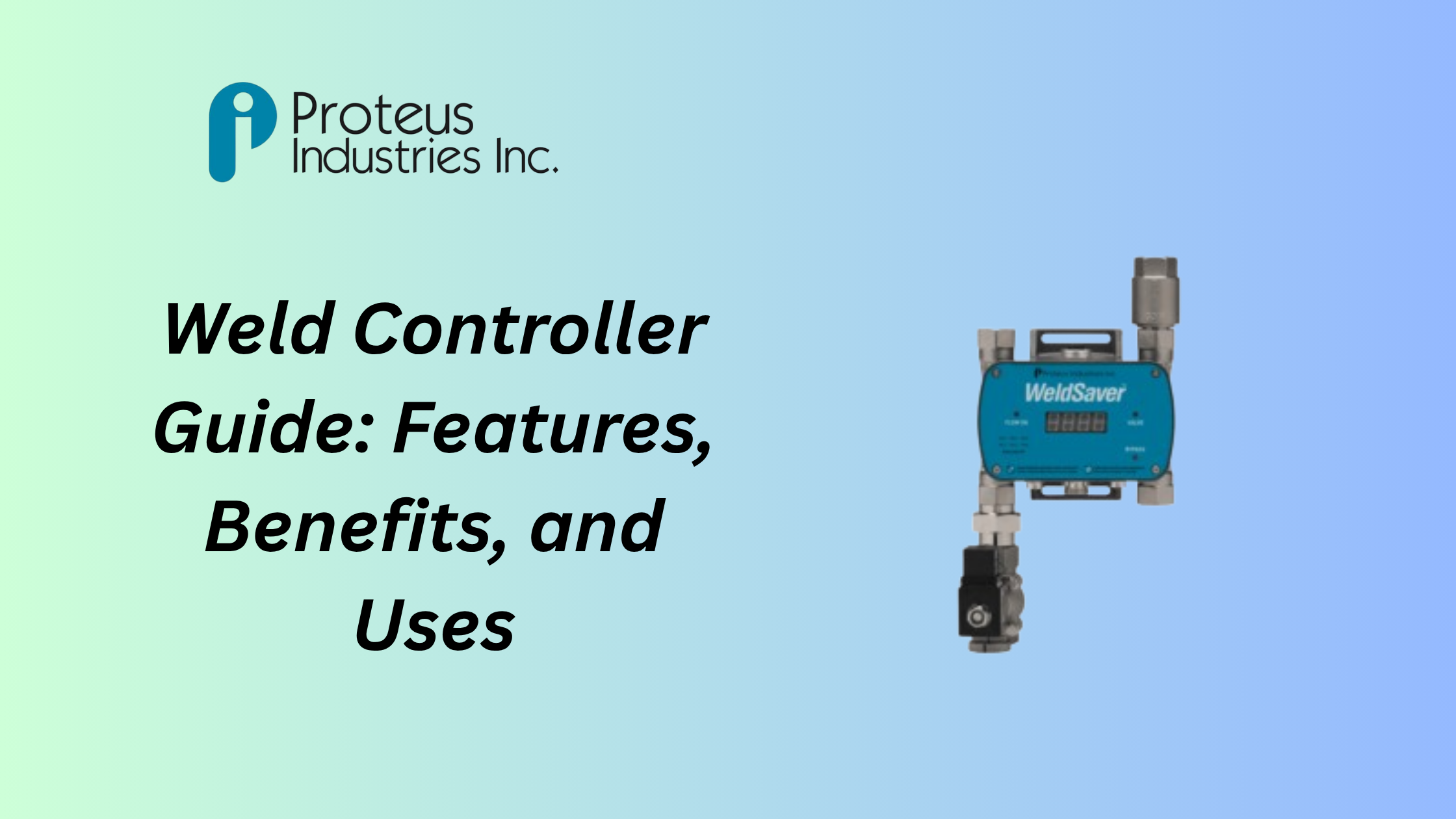
Weld Controller Guide: Features, Benefits, and Uses proteusind.com
Sheldon Serrano
3 months ago in Business Services
Introduction
Welding is one of the most important processes in modern manufacturing and construction. From automobiles and aerospace components to pipelines and industrial equipment, strong and reliable welds are essential for safety and performance. However, achieving consistent welding results requires more than just a skilled operator and quality equipment. This is where a weld controller plays a vital role.
A weld controller is the brain behind many modern welding systems. It helps regulate and manage critical welding parameters such as current, voltage, time, and pressure to ensure accurate and repeatable welds. By controlling these variables, weld controllers improve weld quality, reduce errors, and increase production efficiency.
In this guide, we will explore what a weld controller is, how it works, its key features, benefits, and common industrial applications.
What Is a Weld Controller?
A weld controller is an electronic device used to monitor and control welding operations. It manages the welding process by regulating important parameters that affect weld quality.
The controller works together with welding machines, power supplies, and automation systems to ensure each weld meets the required specifications. It provides precise control over the welding cycle and helps maintain consistency throughout production.
Modern weld controllers are commonly used in resistance welding, spot welding, projection welding, seam welding, and automated welding systems.
Why Is a Weld Controller Important?
In welding operations, even small variations in current or timing can affect the quality of a weld. Poor weld quality can lead to product failures, increased costs, and safety risks.
A weld controller helps eliminate these issues by providing accurate control over the welding process.
Some reasons why weld controllers are important include:
- Consistent weld quality
- Improved production efficiency
- Reduced material waste
- Better process control
- Enhanced product reliability
- Increased workplace safety
These benefits make weld controllers an essential component in modern manufacturing environments.
How Does a Weld Controller Work?
A weld controller operates by managing various stages of the welding cycle.
Step 1: Input Parameters
The operator programs specific welding settings, such as:
- Weld current
- Weld time
- Electrode force
- Pulse duration
These settings are based on the material type and welding requirements.
Step 2: Monitoring the Process
During welding, the controller continuously monitors the operation and ensures all parameters remain within the desired range.
Step 3: Adjusting Output
If any variation occurs, the controller automatically adjusts the welding output to maintain consistency.
Step 4: Recording Data
Many advanced weld controllers collect and store welding data for quality assurance and production analysis.
This level of control helps manufacturers maintain high standards and improve overall performance.
Key Features of Modern Weld Controllers :-
Modern weld controllers come with a variety of advanced features designed to improve welding accuracy and efficiency.
Precise Current Control
One of the most important functions is controlling welding current. Accurate current control ensures proper heat generation and strong weld formation.
Programmable Settings
Operators can save multiple welding programs for different materials and applications. This allows quick setup changes and improved productivity.
Real-Time Monitoring
Many controllers provide real-time feedback during the welding process, helping operators identify issues immediately.
Data Collection and Reporting
Advanced systems record welding data for quality control, traceability, and performance analysis.
User-Friendly Interface
Modern controllers often feature digital displays and touchscreen interfaces that simplify operation and setup.
Fault Detection
The controller can detect abnormal conditions and alert operators before defects occur.
Types of Weld Controllers :-
Different welding applications require different types of controllers.
Resistance Weld Controllers
These controllers are commonly used in spot welding and projection welding applications.
They regulate current and timing to produce strong and consistent welds.
Seam Weld Controllers
Seam weld controllers manage continuous welding operations where a series of overlapping welds are required.
Inverter Weld Controllers
These advanced controllers use inverter technology to provide precise energy control and improved efficiency.
Automated Weld Controllers
Used in robotic welding systems, automated controllers help achieve high-speed and highly accurate welding operations.
Benefits of Using a Weld Controller :-
Improved Weld Quality
A weld controller ensures each weld is performed using the correct parameters, reducing defects and improving product reliability.
Increased Productivity
Automated control reduces manual adjustments and allows faster production cycles.
Reduced Scrap and Rework
Consistent welding reduces the number of defective products, lowering material waste and production costs.
Better Process Consistency
Manufacturers can achieve the same welding quality across multiple shifts and production lines.
Enhanced Safety
Proper control of welding parameters minimizes risks associated with overheating and equipment failures.
Lower Operating Costs
Improved efficiency and reduced waste contribute to long-term cost savings.
Common Applications of Weld Controllers :-
Weld controllers are used in a wide range of industries.
Automotive Industry
Vehicle manufacturers use weld controllers extensively for spot welding body panels and structural components.
Aerospace Industry
Precision welding is critical in aerospace manufacturing, where safety and reliability are top priorities.
Electronics Manufacturing
Small and delicate electronic components often require highly controlled welding processes.
Construction Industry
Weld controllers help ensure strong and durable welds in structural steel and infrastructure projects.
Medical Device Manufacturing
Medical equipment requires high-quality welds that meet strict industry standards.
Energy Sector
Pipelines, power generation equipment, and renewable energy systems rely on reliable welding processes controlled by advanced systems.
Weld Controller and Automation :-
Automation is transforming the manufacturing industry, and weld controllers play a major role in this change.
Robotic welding systems use weld controllers to maintain consistent welding performance with minimal human intervention.
Benefits of automated welding include:
- Higher production speeds
- Improved accuracy
- Reduced labor costs
- Greater consistency
- Enhanced quality control
As Industry 4.0 continues to grow, weld controllers are becoming increasingly connected to smart manufacturing systems.
Choosing the Right Weld Controller :-
Selecting the right weld controller depends on several factors.
Type of Welding Process
Different welding methods require specialized controllers.
Production Volume
High-volume production environments often benefit from advanced automated systems.
Data Requirements
Manufacturers focused on quality control may require controllers with extensive data recording capabilities.
Budget
Controllers range from basic models to highly advanced systems with sophisticated features.
Future Expansion
Choosing a scalable controller can support future production growth and automation upgrades.
Maintenance Tips for Weld Controllers :-
Proper maintenance helps ensure reliable operation and long service life.
Regular Inspection
Check cables, connectors, and electrical components for signs of wear.
Software Updates
Keep the controller software updated to access new features and performance improvements.
Calibration
Periodic calibration helps maintain accuracy and process consistency.
Clean Environment
Protect controllers from dust, moisture, and excessive heat.
Operator Training
Well-trained operators can identify potential issues early and use the system more effectively.
Future Trends in Weld Controller Technology :-
Weld controller technology continues to evolve as manufacturers seek higher efficiency and better quality control.
Some emerging trends include:
Smart Manufacturing Integration
Controllers are increasingly connected to factory networks for real-time monitoring and analysis.
Artificial Intelligence
AI-powered systems can optimize welding parameters automatically.
Predictive Maintenance
Advanced analytics can identify equipment issues before failures occur.
Cloud-Based Monitoring
Manufacturers can monitor welding operations remotely from virtually anywhere.
These innovations are helping companies improve productivity while maintaining high-quality standards.
Conclusion :-
A weld controller is an essential tool in modern welding operations. Regulating key welding parameters, it helps ensure consistent weld quality, improves efficiency, and reduces production costs. Whether used in automotive manufacturing, aerospace production, electronics assembly, or construction projects, weld controllers provide the precision and reliability needed for successful welding processes.
As technology continues to advance, weld controllers are becoming smarter, more connected, and more capable than ever before. Businesses that invest in high-quality weld control systems can benefit from improved productivity, better product quality, and long-term operational success. For manufacturers seeking greater accuracy and efficiency, a weld controller is a valuable asset that supports both quality and performance.
voters
Report Story 
Related Stories












Recent Stories